Blog

How Expert Tree Removal Protects Your Home And Landscape

Trees add beauty, shade, and value to any property, but when a tree becomes unstable, diseased, or damaged, it can pose serious risks to your home and landscape. In these situations, professional tree removal becomes essential for protecting your property and maintaining a safe outdoor environment.

Working with a tree removal service ensures that hazardous trees are handled safely and efficiently while preserving the health and appearance of your surrounding landscape.

Tree Removal Service

A professional tree removal service helps property owners safely remove trees that threaten structures, sidewalks, or nearby power lines. Tree removal companies use specialized equipment and trained crews to safely remove large or hazardous trees.

Whether the issue is storm damage, diseased limbs, or a tree on your property that has overgrown its space, a professional tree removal service ensures the job is completed quickly and safely. For homeowners looking for tree removal service in Maryland, experienced professionals can assess the risks and determine the best removal approach.

Tree Care

Proper tree care is about more than simply removing trees. A qualified tree service provides comprehensive tree care that includes inspections, trimming, and maintenance to ensure your trees remain healthy.

A tree care expert will inspect your property to identify potential hazards such as tree diseases, invasive tree roots, or large sections of dead branches that could lead to costly damage later.

Proactive tree care helps ensure your trees remain safe and extends the longevity of healthy trees on your property.

Landscape

A well-maintained landscape improves both curb appeal and property value. Trees can enhance the beauty of a well-designed landscape, but when trees grow too close to structures or sidewalks, they can cause damage.

Professional tree removal in Maryland helps protect your home and landscape by removing unwanted trees that threaten foundations, walkways, or other structures. Maintaining a healthy landscape also means removing dead or dying trees before they become dangerous.

Safe And Efficient Tree Removal

Safe and efficient tree removal requires the right tools, experience, and safety procedures. Tree removal companies rely on specialized equipment to carefully dismantle large trees in sections, ensuring nearby structures and landscaping remain protected.

Attempting to remove a tree without proper training can create significant safety risks. DIY tree removal may lead to property damage or injury, especially when dealing with large or damaged trees.

Professional teams work safely and efficiently, clearing the area and preventing further damage to your home and landscape.

When It’s Time To Remove A Tree

Sometimes removal is necessary when trees show signs of serious decline. A removal of a tree may be recommended when a tree becomes diseased, structurally unstable, or poses a risk of falling.

Common warning signs include:

  • Dead or dying branches

  • Signs of disease or decay

  • Invasive tree roots damaging sidewalks

  • Trees leaning after storms or high winds

  • Trees growing too close to structures

Removing hazardous trees before they become a major problem helps protect your property and ensures your property remains safe.

Protect Your Home

One of the main reasons homeowners seek professional tree removal is to protect your home from potential hazards. Trees can become unstable due to storm damage, pests, or structural weaknesses.

Large branches or entire trees can fall during storms or high winds, causing serious damage to roofs, vehicles, or nearby structures.

Hiring a professional team helps mitigate these risks before they become emergencies.

Tree Health

Maintaining tree health is key to preventing dangerous situations. Regular inspections help identify tree diseases, pests, and structural problems early.

Healthy trees require proper care, trimming, and monitoring. Removing diseased or dead trees protects the health of your trees and prevents problems from spreading to nearby plants.

Professional tree care experts can determine whether a tree can be saved or if removal may be the safest option.

Safe And Efficient Practices

Professional crews follow safe and efficient procedures when handling hazardous trees. They inspect the tree, determine the best removal strategy, and carefully dismantle sections to avoid damaging nearby structures.

This approach ensures the safety of your property and minimizes disruptions to your home and landscape.

Expert Tree Professionals

An expert tree team with years of experience handling complex removals brings peace of mind to homeowners. A team of certified professionals understands how to safely remove trees while protecting nearby landscaping.

Their expertise allows them to determine the best removal strategy and ensure your property remains safe throughout the process.

Tree Maintenance

Regular tree maintenance helps prevent many tree-related problems. Routine inspections, trimming, and monitoring allow property owners to address issues before they become major hazards.

Proactive maintenance helps extend the life of healthy trees and reduce the need for emergency removals.

Professional Tree Care

Investing in professional tree care helps keep your landscape safe and beautiful. Arborists and tree care experts evaluate trees regularly, ensuring proper trimming, disease management, and structural stability.

Hiring a professional service ensures your trees receive proper care and that risks are addressed before they threaten your home.

Healthy Landscape

A healthy landscape includes well-maintained trees that complement your outdoor space without posing safety risks. Removing damaged or dangerous trees improves both safety and aesthetics.

By working with professionals, homeowners can maintain a balanced and attractive landscape while protecting their property from potential hazards.

Frequently Asked Questions About Professional Tree Removal

When is professional tree removal necessary?

Professional tree removal is necessary when a tree becomes diseased, damaged, unstable, or poses risks to your home or surrounding structures.

Is DIY tree removal safe?

DIY tree removal can be dangerous. Hiring professionals ensures safe and efficient tree removal using proper equipment and techniques.

How do I know if a tree on my property is dangerous?

Signs include dead branches, leaning trees, storm damage, and visible disease. A professional inspection can determine if removal is necessary.

Can tree removal improve curb appeal?

Yes. Removing dead or overgrown trees helps maintain a well-designed landscape and boosts curb appeal.

How often should trees be inspected?

Trees should be inspected at least once a year and after major storms to ensure the safety and health of your property.
Protecting Your Home From Hazardous Trees

Trees add beauty, shade, and value to your property  but when a hazardous tree develops structural problems, it can quickly become a serious risk. As a homeowner or property owner, understanding tree risk and knowing when removal is often necessary can help protect your home and prevent costly property damage.

Tree removal services and early inspection are key to keeping your property safe.


Hazardous Tree: What Makes A Tree Dangerous?

A hazardous tree is one that poses a risk of damage due to decay, structural weaknesses, disease, or storm damage. Trees may weaken internally while appearing healthy on the outside.

Common indicators include:

  • Dead branches or dead or dying branches

  • Signs of decay or a visible cavity in the trunk

  • A hollow trunk or structural failure

  • Leaning trees that are susceptible to falling

  • Damage to the base of the tree

  • Branches likely to break off during storms

These potential hazards can cause significant damage to your home, nearby power lines, or other structures.


Trees On Your Property: Why Regular Inspection Matters

All trees on your property require monitoring. Trees near your home, close to structures, or under high winds are especially susceptible to falling.

It’s important to regularly inspect trees for:

  • Structural weaknesses

  • Infestation, such as emerald ash damage

  • Tree damage after severe weather

  • Uprooted trees or leaning trees

  • Overall health decline

Regularly inspect your trees to assess tree health and mitigate risks before structural failure occurs.


Hazardous Trees On Your Property

When dealing with hazardous trees on your property, removal may be necessary if the entire tree has been weakened or diseased. Some trees are susceptible to decay and may be at risk even without visible damage.

A certified arborist can determine whether preventive measures like bracing, cable support, or regular pruning can reduce the risk  or if removal of the tree is the safest solution.

In some cases, removal is often the only way to protect your home from further risk of damage.


Tree Care And Preventive Maintenance

Proper tree care plays a major role in preventing tree-related accidents. Regular tree trimming and tree maintenance help maintain structural integrity and improve overall health.

Professional tree care includes:

  • Regular pruning

  • Tree pruning to remove weak limbs

  • Inspect trees for signs of decay

  • Supporting weak branches with cable systems

  • Monitoring for infestation and disease

Preventive measures can sometimes resolve problems without removing the entire tree.


When To Prune And When To Remove The Tree

Knowing when to prune versus when to remove the tree is critical. If damage to trees is limited to dead branches or minor decay, professional tree work may restore safety.

However, removal may be required if:

  • The trunk is hollow or severely weakened

  • The tree has extensive decay at the base

  • Structural weaknesses threaten collapse

  • The tree is leaning dangerously near your home

A professional tree evaluation by arborists ensures the safest decision is made.


Homeowner Responsibilities And Tree Ownership

As a homeowner and property owner, understanding tree ownership is important. Trees on private property are typically the responsibility of the homeowner.

If a hazardous tree causes damage to your home or a neighbor’s property, your homeowners insurance or insurance company may become involved. Review your insurance policy and contact your insurance agency if tree damage occurs.

Insurance companies and other providers often require documentation, so it’s wise to inspect and maintain trees regularly.


Understanding Tree Risk And Insurance

Tree risk is not just about falling branches  it includes potential hazards that also pose liability issues. Homeowners insurance may cover damage to your home caused by storm damage or fallen trees, but preventive maintenance is still essential.

Homeowners should:

  • Inspect trees annually

  • Document inspection results

  • Learn how to identify signs of a hazardous tree

  • Keep a safe distance from compromised trees

Proper documentation protects both your property and your insurance coverage.


Protect Your Home With Professional Tree Services

Working with a professional tree company ensures your trees are safe and structurally sound. Certified arborists assess tree health, evaluate structural integrity, and determine whether removal may be necessary.

Professional tree services help:

  • Reduce the risk of damage

  • Mitigate risks from severe weather

  • Support weak branches

  • Protect your home and property

The right tree in the right place adds value to your property  but a hazardous tree can quickly make your property vulnerable.


Important To Regularly Monitor Tree Health

It is important to regularly assess your trees, especially after storms or high winds. Trees may develop structural weaknesses over time that aren’t immediately visible.

By taking proactive steps and maintaining regular tree care, you can reduce the likelihood of tree-related accidents and ensure your trees are safe for years to come.


Related Resources

For more information about tree risk assessment, tree removal services, and preventive tree care, consult certified arborists in your area. Learning how to identify warning signs early helps keep your property safe and prevents costly property damage.


Frequently Asked Questions About Tree Removal Services

What is considered a hazardous tree?

A hazardous tree is one with decay, structural weaknesses, dead branches, or instability that increases the risk of falling or causing property damage.

How can I tell if trees on my property are dangerous?

Look for signs of decay, hollow trunks, leaning trees, dead or dying branches, or damage at the base of the tree. Regular inspection helps reduce the risk.

Should I prune or remove a hazardous tree?

If damage is minor, pruning may help. If the tree has severe decay or structural failure, removal is often the safest option.

Does homeowners insurance cover tree damage?

Homeowners insurance may cover damage to your home caused by fallen trees, depending on your insurance policy. Check with your insurance company for details.

How often should I inspect my trees?

It’s important to regularly inspect trees at least once a year and after severe weather to assess tree health and potential hazards.

Can a certified arborist help prevent tree damage?

Yes. A certified arborist can assess tree health, identify risks, and recommend preventive measures to protect your home.

The Key To Safer, More Attractive Trees On Your Property

Healthy, well-maintained trees do more than improve aesthetics; they protect your home, enhance your landscape, and increase property value. One of the most important investments property owners can make is professional tree trimming, which ensures trees remain safe, balanced, and visually appealing year-round.

Understanding how proper tree care works helps homeowners protect their investment and enjoy the many ways trees improve daily life.

Landscape: Building A Strong Foundation

A thoughtfully designed landscape combines planting, soil preparation, and long-term tree care. Trees not only provide natural beauty, but they also contribute to a balanced ecosystem. Landscaping and tree planning should consider soil health, drainage, and strategic placement to ensure healthy root systems and sustainable growth.

Professional landscaping creates an outdoor space that feels cohesive and inviting.

Planting The Right Tree In The Right Place

Strategic planting is essential. Choosing the right tree for your soil, climate, and available space prevents future problems. Whether planting new trees like maple, evergreen, or other native species, proper spacing and soil preparation are critical.

Before you plant trees, check with local regulations and consult an arborist to ensure compliance and environmental impact considerations.

Tree Care For Long-Term Health

Proper tree care includes watering, fertilization, mulch application, and pruning. Professional tree care services help maintain soil nutrients, manage pest issues, and identify diseased branches early.

A healthy tree has strong root systems, vibrant foliage, and balanced canopy growth. Regular trimming prevents structural weaknesses and supports year-round stability.

Property Value And Curb Appeal

Well-maintained trees significantly increase the value of a property. They enhance curb appeal, create seclusion, and provide shade that reduces heating costs in colder months and lowers energy costs during summer.

Professional tree trimming improves aesthetics while protecting large trees close to structures. Property remains safer, and overall property value benefits from mature tree preservation.

The Importance Of Mature Tree Maintenance

A mature tree adds character and shade, but without proper pruning, it can become hazardous. Large branches may overextend, diseased limbs may spread infection, and canopy imbalance can create risk.

Strategically prune to improve structure, encourage healthy growth, and prevent soil erosion caused by uneven root systems.

Ways Trees Improve Quality Of Life

There are many ways trees enhance everyday living. Trees provide shade, reduce air pollution, improve air quality, and create natural beauty in your outdoor space.

They also:

  • Provide shade that reduces energy costs

  • Offer habitat for wildlife and pollinators

  • Help manage rainfall and reduce soil erosion

  • Create a positive impact on overall quality of life

Trees also support the ecosystem by providing food sources and shelter for wildlife.

Why Prune Professionally Instead Of Diy

While some homeowners attempt DIY trimming, improper cuts can damage a healthy tree or lead to long-term structural problems. Professional tree services use strategic tree trimming techniques to preserve tree health.

An arborist understands how to prune deciduous trees, evergreen varieties, shrubs, and large trees safely, especially those close to structures.

Professional tree trimming prevents compact soil damage, reduces pest infestations, and ensures safe canopy management.

Tree Services That Enhance Safety

Reliable tree services include trimming, fertilization, soil improvement, and full tree care services tailored to your property. A professional tree care company offers consultation, evaluates existing trees, and develops a strategic tree maintenance plan.

These services are environmentally friendly and sustainable, ensuring long-term environmental impact benefits.

Water, Mulch, And Soil Health

Water management and mulch application protect root systems and preserve nutrient balance. Proper mulch reduces soil erosion, regulates temperature, and supports soil health.

Strategic placement of mulch around trees prevents competition from shrubs and helps maintain moisture during heavy rainfall or drought.

Wildlife, Pollution, And Environmental Benefits

Trees provide shade and support wildlife habitats. They reduce air pollution, improve air quality, and contribute to a healthier environment.

Deciduous trees and evergreen species both play roles in filtering pollutants and improving local ecosystems. Strategically planted trees can even help block pollution from nearby roads.

Canopy Management And Safety

A balanced canopy ensures structural integrity. Diseased or overgrown branches can become hazardous during storms. Professional tree trimming reduces risk and ensures trees remain majestic without posing danger.

Regular inspections prevent tree problems before they escalate.

Strategic Tree Planning For Long-Term Results

A strategic tree approach considers future growth, canopy expansion, and root systems. Strategic placement prevents overcrowding and supports sustainable development.

Professional landscaping integrates tree care with broader landscape design to enhance curb appeal and maximize the value of a property.

Professional Landscaping And Tree Expertise

Professional landscaping goes beyond planting. It combines landscaping and tree knowledge to create harmonious outdoor environments. Certified arborists evaluate soil, nutrient levels, and overall tree health to provide expert recommendations.

Property owners benefit from consultation with experienced professionals who understand local conditions and tree species.

Enhancing Curb Appeal Year-Round

Well-maintained trees enhance curb appeal in every season. Evergreen trees provide year-round greenery, while deciduous trees offer vibrant foliage and seasonal shade.

Professional tree trimming ensures trees remain attractive, balanced, and structurally sound.

Choosing The Right Tree Care Company

When selecting a tree care company, look for professional tree expertise, sustainable practices, and years of experience. A knowledgeable arborist ensures proper fertilization, pruning, and long-term maintenance.

Strategic tree care protects your investment and ensures your property remains safe and beautiful.

Majestic Trees, Safe Surroundings

Majestic trees are a valuable asset  but only when maintained properly. Professional tree trimming keeps trees healthy, prevents hazards, and preserves natural beauty.

With proper care, trees not only provide shade and aesthetics, but also deliver energy savings, environmental benefits, and lasting property value.

Frequently Asked Questions About Professional Tree Trimming

What is professional tree trimming?

Professional tree trimming is the strategic pruning of branches to improve tree health, safety, and appearance while protecting your property.

How often should trees be trimmed?

Most mature trees benefit from trimming every 2–3 years, while younger or fast-growing trees may need more frequent care.

Does professional tree trimming increase property value?

Yes. Well-maintained trees enhance curb appeal, improve safety, and positively impact overall property value.

Is DIY tree trimming safe?

DIY trimming can be risky, especially for large trees or branches close to structures. Hiring professionals reduces hazards and prevents long-term damage.

Can trimming improve tree health?

Yes. Proper pruning removes diseased or weak branches, improves canopy balance, and supports healthy growth.


When A Tree Can’t Wait: Understanding Rapid Response Tree Services

When a tree emergency strikes, there is no time to hesitate. Severe weather, storm damage, or sudden tree failure can create hazardous situations that require immediate action. Whether a tree has fallen on your home or large branches are hanging dangerously overhead, calling an experienced emergency tree removal company is often the safest decision.

Rapid response matters because in many emergency tree situations, waiting can cause further damage, serious property damage, or risk of falling debris.


Emergency Tree Service

An emergency tree service focuses on urgent situations where trees pose a safety hazard. Unlike regular tree maintenance, emergency work requires quick evaluation, specialized equipment, and trained professionals to handle the situation safely.

Common tree emergencies include:

  • A fallen tree blocking access

  • Tree leaning dangerously after severe weather

  • Broken branches hanging over a roof

  • Storm-damaged or hazardous trees near structures

In these cases, don’t wait. Immediate response protects your property and prevents further damage.


Emergency Service And Immediate Action

A true emergency service operates with a dedicated emergency response team that can respond quickly when disaster strikes. When you call emergency tree professionals, their top priority is to secure the area, assess the situation, and reduce risk immediately.

Tree emergencies are often extremely dangerous. Hazardous trees near power lines or utility equipment require extra caution. If a tree has fallen near electrical wires, call your utility company before approaching. Always maintain a safe distance.


Understanding Tree Emergencies

Tree emergencies happen unexpectedly. A tree may uproot due to saturated soil, tree roots weakened by disease, or strong winds during storm season. Other times, a dead tree or damaged tree suddenly fails.

Emergency situations often involve:

  • Leaning trees that pose a safety risk

  • A tree that has fallen on your home

  • Storm-damaged branches threatening structures

  • Large branches that could cause serious damage

Property owners should never attempt to handle emergency tree work themselves. It’s essential to rely on certified arborists with years of experience handling hazardous trees.


Tree Removal In Emergency Situations

Emergency tree removal differs from planned removal. The goal is to safely remove fallen or hazardous trees while minimizing additional property damage.

When a tree falls or a damaged tree needs immediate attention, professionals use specialized equipment to manage the removal process carefully. An emergency response team arrives prepared to secure unstable limbs, remove debris, and mitigate further disruption.


Emergency Tree Removal

Emergency tree removal is required when trees that pose a safety risk cannot be stabilized. If a tree has fallen, is leaning toward a structure, or presents a risk of falling, immediate action is critical.

Professional teams assess the damage starting from the top, removing hazardous trees or branches section by section. This prevents further structural damage and protects surrounding property.


Tree Care During Emergencies

Even in urgent cases, proper tree care remains important. Certified arborists evaluate whether a tree can be saved or if it needs to be removed entirely. Sometimes, a storm-damaged tree can recover with corrective pruning and stabilization.

Emergency tree care focuses on:

  • Protecting tree health when possible

  • Removing only what is necessary

  • Preventing future hazards


When To Call Emergency Tree Professionals

You should call emergency tree services immediately if:

  • A tree emergency happens during severe weather

  • A tree has fallen on your property

  • You notice leaning trees after heavy winds

  • Broken branches are hanging overhead

  • A tree is near a power line

If there is electrical risk, call your utility company first, then contact an emergency tree removal company through their emergency line.


Emergency Tree Care And Damage Assessment

Proper emergency tree care begins with professionals who assess the damage thoroughly. They determine whether the damaged tree needs removal, stabilization, or follow-up maintenance.

Tree damage can impact tree health long-term. Immediate evaluation helps prevent pest issues, structural weakness, and recurring tree problems.


Emergency Tree Work And Specialized Equipment

Emergency tree work requires advanced tools and expertise. A professional tree crew is equipped with the right machinery to handle hazardous conditions safely.

With years of experience often 20 years of experience handling emergency situations crews understand how to:

  • Secure the area

  • Safely remove fallen or hazardous trees

  • Prevent further damage

  • Protect surrounding structures

This type of emergency work should always be left to professionals to handle the situation properly.


Dealing With A Tree Emergency

Dealing with a tree emergency can feel overwhelming. Here’s what property owners should do:

  1. Ensure personal safety and keep a safe distance.

  2. Assess the situation visually and do not approach unstable trees.

  3. Take photos from multiple angles for insurance claims.

  4. Contact your insurance company to review insurance coverage.

  5. Call a trusted emergency tree service.

Taking these steps helps streamline insurance claims and reduce stress during an already difficult time.


Immediate Response Matters

An immediate response is critical because tree emergencies can escalate quickly. Leaning trees, storm-damaged limbs, or uprooted trees can shift unpredictably.

A dedicated emergency services team understands the urgency and is prepared to respond quickly to protect your property and restore safety.


Why Choose A Professional Tree Company

A professional tree company employs certified arborists and trained crews with years of experience handling emergency tree situations. Their knowledge ensures that hazardous trees are removed safely, property damage is minimized, and long-term tree health is considered.

When dealing with a tree emergency, the safest choice is always to rely on professionals with the right expertise, equipment, and rapid response capabilities.

Frequently Asked Questions About Emergency Tree Removal

What does an emergency tree removal company do?

An emergency tree removal company responds quickly to remove hazardous or fallen trees and prevent further property damage.

When should I call emergency tree services?

Call immediately if a tree has fallen, is leaning, or poses a safety hazard to your home or power lines.

Is emergency tree removal covered by insurance?

Often yes, if the tree causes structural damage. Check your policy and document everything.

What should I do during a tree emergency?

Keep a safe distance, avoid downed power lines, take photos, and call professionals right away.

Can a storm-damaged tree be saved?

Sometimes. Certified arborists will assess tree health and determine if removal or stabilization is needed.

Understanding The Full Process After A Tree Emergency

Tree emergencies are among the most common and unpredictable situations homeowners face especially during severe weather, heavy rain, or storm season. When a tree falls or becomes unstable, knowing the right steps to take can help ensure personal safety, minimize property damage, and make the situation manageable.

Below is a clear breakdown of what happens and what homeowners should do after a stump removal and emergency tree services.

Emergency Situations Involving Trees

A tree emergency can occur suddenly. Strong winds, pest damage, saturated soil, or hidden structural weaknesses may cause a tree to fail unpredictably. Common emergencies include uprooted trees, hanging branches, partially fallen trees, or trees that threaten homes and utility lines.

These situations often require immediate attention to prevent further disruption to your home and property.

Tree Removal During Emergencies

Emergency tree removal is necessary when trees present immediate dangers. Trees that have fallen on a roof, blocked access, or suffered tree failure due to storm damage often need to be removed as soon as possible by professionals.

Attempting removal without training or equipment can be hazardous. Never attempt emergency removal yourself.

Choosing The Right Tree Service

A reliable tree service should have experience handling tree emergencies, proper insurance coverage, and trained professionals. Local providers understand regional weather conditions and common tree species that are more prone to failure.

Hiring professional services ensures the work is completed safely and efficiently.

Why Professional Tree Care Matters

A professional tree approach prioritizes safety, stabilization, and long-term tree care. Certified arborists evaluate instability, pest issues, and the tree’s health to determine whether removal or mitigation is needed.

Expert tree care helps reduce the risk of future emergencies.

Document What Happened

Properly document the incident for insurance purposes. Take photos from multiple angles showing structural damage, debris, and property damage. This documentation supports insurance claims and helps your insurance company assess coverage accurately.

Tree Emergencies Homeowners Commonly Face

Here’s what homeowners often encounter after severe weather:

  • Fallen tree blocking access

  • Uprooted trees near homes

  • Hanging branches over roofs

  • Trees down near utility or power line areas

These tree emergencies require professional evaluation and fast action.

Emergency Tree Removal Process

Emergency tree removal involves a trained removal team assessing immediate dangers, stabilizing the area, and removing hazardous trees. Arborists follow a safe removal process starting from the top, carefully managing debris and avoiding further damage.

When A Tree Falls On Your Property

When a tree falls, it can cause roof damage, structural damage, or affect nearby utilities. Fallen trees may need to be removed promptly to restore safety and access.

Handling A Fallen Tree Safely

A fallen tree may look stable but can shift unexpectedly. Keep a safe distance and never approach trees that may be under tension or partially supported by other structures.

Storm Damage And Severe Weather Risks

Storm damage from heavy rain or high winds is a leading cause of tree failure. Weather conditions can weaken roots, uproot trees, and create immediate dangers around the home.

Tree Removal Services Explained

Professional tree removal services assess which trees need to be removed and which can be stabilized. Removal companies use specialized equipment to manage hazardous situations safely.

Professional Tree Removal And Safety

Professional tree removal is essential when trees threaten people or structures. Certified arborists use controlled techniques to ensure the safety of everyone involved.

Power Line And Utility Hazards

If a tree or branch is near a power line or utility equipment, treat the situation as extremely hazardous. Only trained professionals should handle these situations.

Cleanup After A Tree Emergency

Proper cleanup involves removing debris, branches, and damaged wood safely. A thorough cleanup helps restore your property and reduces ongoing hazards.

Working With A Local Tree Service

A local tree service can respond quickly and understands regional risks. They can also help guide homeowners through next steps, including insurance documentation and consultation.

When To Contact Tree Professionals

You should contact tree professionals when trees are down, unstable, or pose immediate risks. Prompt action helps prevent further damage.

Prioritizing Personal Safety

Personal safety should always come first. Keep people at a safe distance, avoid unstable trees, and never attempt hazardous work on your own.

Hazardous Conditions To Watch For

Hazardous situations include hanging branches, uprooted stumps, trees leaning after storms, and instability near buildings or vehicles.

Preventing Future Tree Emergencies

Preventing future emergencies starts with proactive tree care. Regular inspections, pruning, and monitoring warning signs can help mitigate risk before storms hit.

Assess The Damage Carefully

Always assess the damage before taking action. Look for structural damage, roof impacts, and trees that may need to be removed to restore safety.

Document Everything For Insurance Purposes

Document everything clearly for insurance coverage. Photos, notes, and timelines help support insurance claims and speed up processing.

Maintaining A Safe Distance

Maintain a safe distance from damaged trees, especially those partially fallen or under tension, until professionals arrive.

Frequently Asked Questions About Tree Emergency

What should I do first after a tree emergency?

Ensure personal safety, keep your distance, and assess immediate dangers. Contact a local tree service as soon as possible.

Will my insurance cover emergency tree removal?

Insurance coverage varies. Understanding your insurance policy and documenting damage helps clarify what is covered.

Is stump removal part of emergency services?

In many cases, stump removal or stump grinding is recommended after emergency tree removal to prevent regrowth and improve safety.

How quickly should emergency tree services respond?

Emergency tree services should respond promptly, especially when trees pose immediate hazards to people or structures.

What To Expect When Working With Professional Tree Experts And Specialists

Working with a professional tree service is about more than cutting branches or removing a tree. It’s a structured process grounded in arboriculture, safety, and tree specialist. Whether you need routine maintenance or emergency tree support, understanding what to expect helps you protect your landscape, your property, and the people around it.

Tree Care Done The Professional Way

Every tree on your property plays a role in shade, aesthetics, and overall property value. Proper tree care enhances curb appeal and helps keep your trees healthy for years. Professional tree experts rely on science, training, and industry standards to manage trees safely and efficiently.

Why Hiring A Professional Tree Service Matters

Hiring a professional tree service ensures the job is done right the first time. Certified crews have the knowledge of tree structure, growth patterns, and potential hazards that homeowners often miss. Improper tree work can lead to property damage, safety risks, or long-term tree health issues.

A reputable company will be fully insured, carry compensation insurance, and understand liability concerns protecting both you and their crew.

Tree Experts And Certified Arborists

True tree experts often include certified arborists trained in the science of trees. Many hold ISA certification and follow recognized industry standards. These professionals evaluate trees for structural weaknesses, pest infestations, and signs of disease that may pose a risk to people or nearby structures.

Initial Consultation And Inspection

Every project begins with an initial consultation and detailed inspection. During this phase, arborists evaluate tree health, identify weak or diseased branches, and assess any hazardous conditions. You’ll receive an estimate, recommendations, and an explanation of whether you need pruning, removal, or general maintenance.

Choosing The Right Tree Service

Choosing the right tree service means looking beyond price. A qualified provider will:

  • Be licensed and insured

  • Employ certified arborists

  • Use specialized equipment

  • Follow strict safety measures

Their expertise ensures your trees are treated with care and your property is protected.

Pruning And Trimming For Tree Health

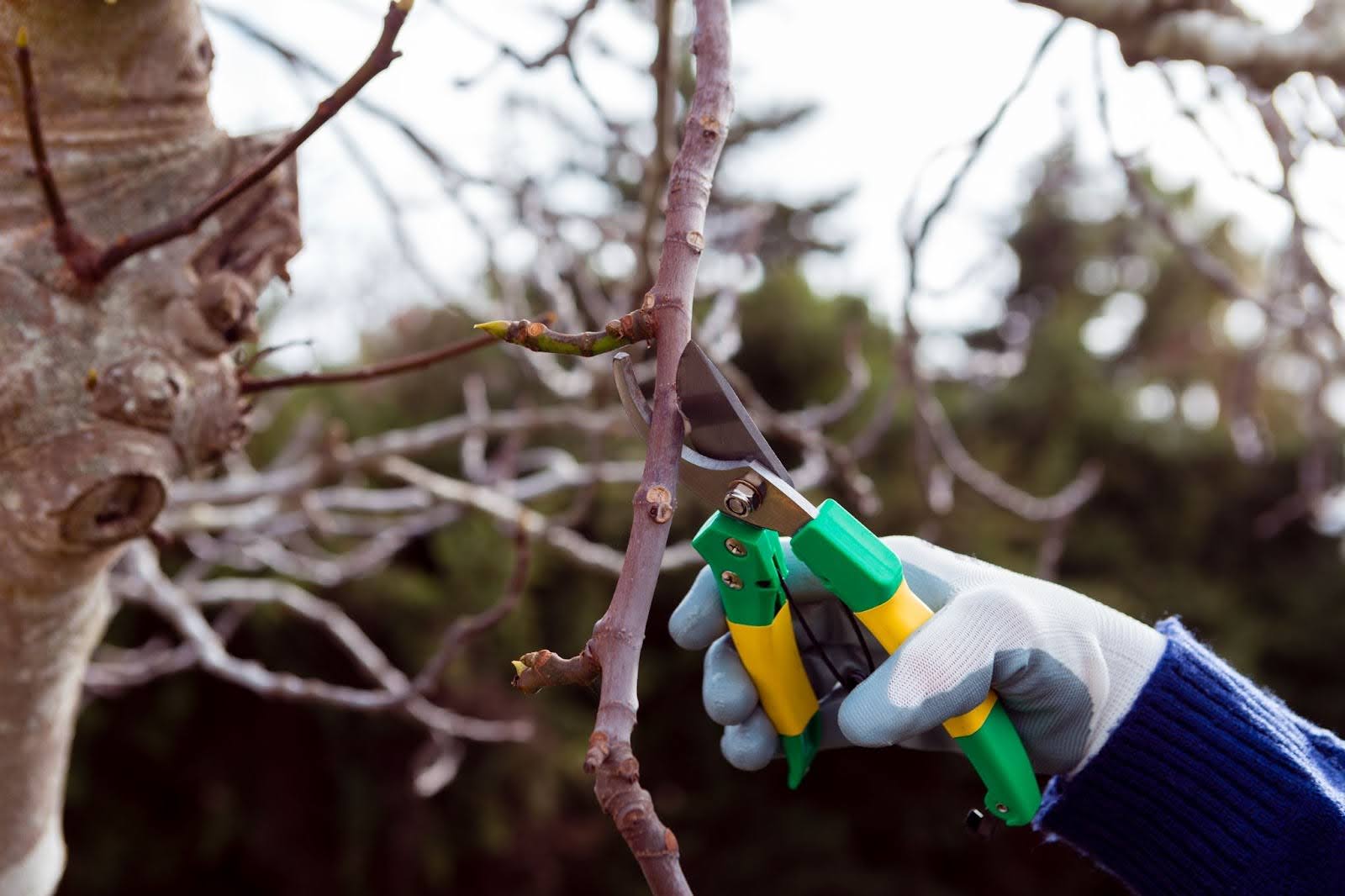
Pruning and trimming help improve tree structure, manage regrowth, and remove branches to improve safety and appearance. Properly prune techniques reduce stress on the tree and promote healthy growth, improving both tree health and aesthetic appeal.

Disease Management And Pest Control

Effective disease management requires early detection. Arborists look for signs of disease, diseased limbs, and pest activity that can compromise structural integrity. Addressing issues promptly helps minimize risk and prevents the spread of infections throughout your landscape.

Professional Tree Removal When Necessary

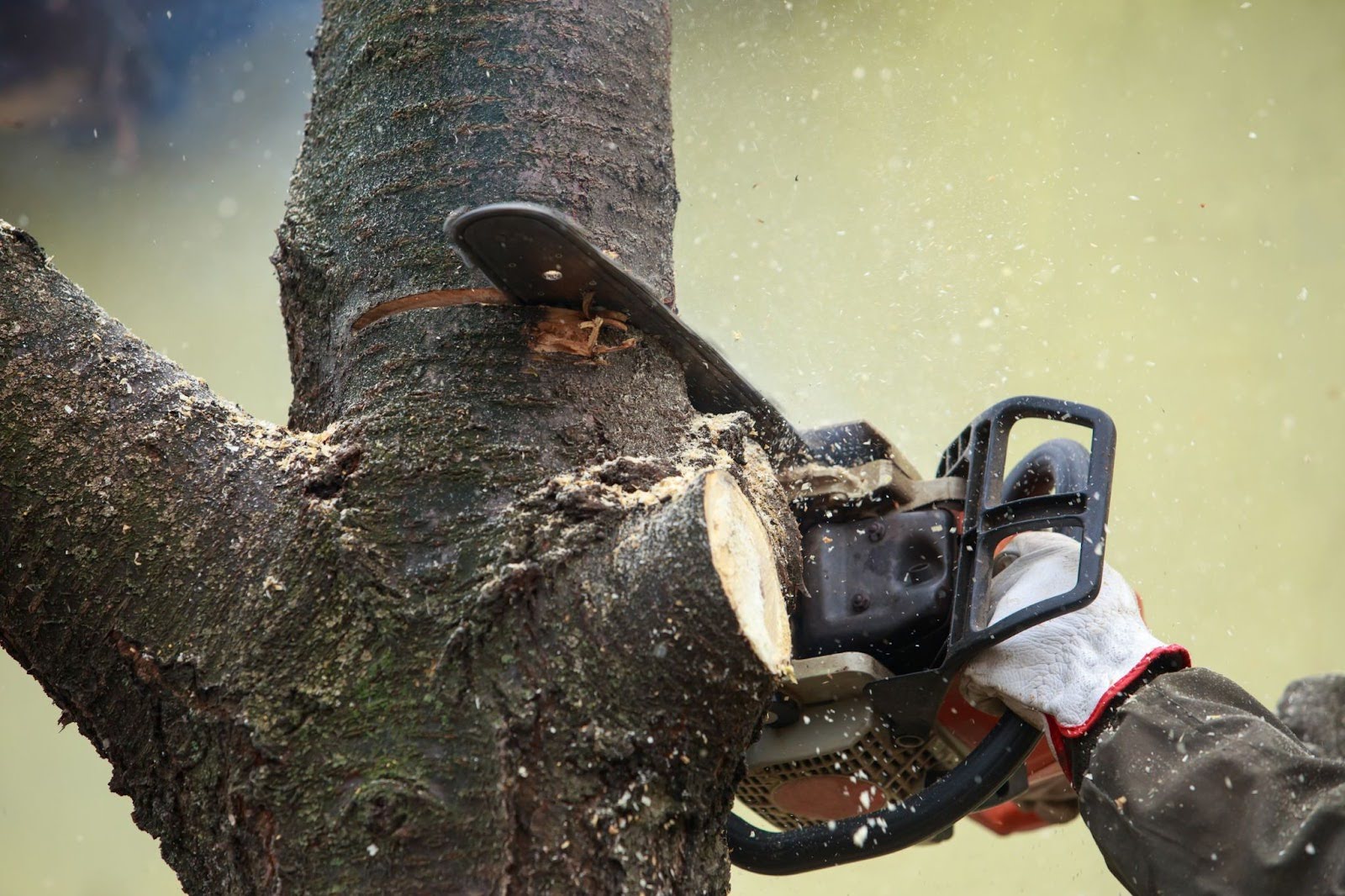
Sometimes, professional tree removal is the safest option especially when a tree is hazardous, diseased, or poses a structural threat. Professionals use chainsaws, saws, and equipment like a crane or lift to remove trees safely and efficiently. Crews may climb trees or section them down carefully to protect your property.

Stump Grinding And Remaining Stump Removal

After removal, stump grinding eliminates the remaining stump down to ground level. This prevents regrowth, improves curb appeal, and allows space for mulch or new landscaping.

Protect Your Property And Landscape

A key priority for any professional crew is to protect your property. From controlling falling debris to preventing damage to nearby structures, experts plan each step to reduce risk. Proper execution ensures your landscape remains intact and visually appealing.

Safety Measures And Specialized Equipment

Tree work is dangerous without proper tools. Professionals rely on specialized equipment, strict safety protocols, and trained crews to work efficiently and safely. This includes controlled branch removal, debris management, and hazard mitigation.

Thorough Cleanup And Final Evaluation

Once the job is complete, expect a thorough cleanup. Crews remove debris, haul branches, and leave your property clean and orderly. A final evaluation ensures all work meets expectations and supports long-term tree health.

Why Expert Care Makes The Difference

Whether you need pruning, disease management, or removal, expert care ensures lasting results. Knowing when you need expert supportand choosing professionals who qualifyhelps protect your investment and keeps your trees strong, safe, and beautiful.

Frequently Asked Questions About Tree Experts

How do I know whether I need professional tree care?

If you notice signs of disease, weak or diseased branches, pest infestations, or trees that pose a risk to people or structures, it’s time to hire a professional tree service. An arborist can evaluate tree health and recommend proper care or removal.

What does an initial consultation with tree experts include?

An initial consultation typically includes a full inspection of your tree, an evaluation of structural weaknesses, and a discussion of your goals. Tree experts will explain whether you need pruning, disease management, or professional tree removal, and provide an estimate.

Are certified arborists different from regular tree workers?

Yes. Certified arborists are trained in the science of arboriculture and often hold ISA certification. Their expertise allows them to diagnose disease, manage pests, and perform tree work according to industry standards.

How does pruning and trimming improve tree health?

Proper pruning and trimming removes hazardous or overgrown branches, improves structure, and encourages healthy regrowth. This helps keep your trees healthy, improves shade balance, and enhances curb appeal.

When is professional tree removal necessary?

Professional tree removal is recommended when a tree is diseased, structurally unsound, or poses a safety hazard. Experts use specialized equipment like cranes, lifts, and chainsaws to remove trees safely and efficiently while protecting your property.

How Tree Experts Handle Stump Removal The Right Way

After removing a tree, the job is not truly complete until the tree stump is addressed. Tree experts understand that a stump left behind can quickly become an unsightly problem, a safety hazard, and a long-term issue for your lawn and landscape. Understanding stump removal, available removal methods, and when to call a professional helps ensure your yard stays safe, clean, and functional.

Why A Tree Stump Should Not Be Left Behind

A tree stump from your yard may seem harmless at first, but tree experts know that over time it can cause serious problems. As the stump begins to rot and decay, it can attract pests like termites, ants, and fungus. Underground root systems may remain active, invading soil and taking up valuable space in your landscape.


Common issues caused by a stump left behind include:

  • Tripping hazard for people and pets

  • Pest infestation and underground decay

  • Unsightly appearance that hurts your landscape

  • Difficulty maintaining a healthy lawn

  • Holes forming in the soil as roots break down

Getting rid of a dead tree stump early helps avoid these risks in the long run.

Understanding Tree Stump Removal Options

There are several ways to get rid of a tree stump, and the best removal method depends on the size of the stump, its diameter, root depth, and surrounding space.

DIY Stump Removal Methods

Some homeowners attempt DIY stump removal, especially for smaller or older stumps. Common DIY approaches include:

  • Digging around the root system

  • Drilling holes into the stump and using chemical treatments to speed up the natural rot

  • Using a chainsaw to reduce the stump height

While DIY methods may seem cost-effective, stubborn stumps and larger stumps often require significant effort and time. Improper handling can also create safety hazards or damage the lawn.

Why Professional Stump Removal Is Often the Best Choice

Professional tree stump removal is the safest and most efficient solution, especially when dealing with a large stump or stubborn stumps. Certified arborists and tree service professionals specialize in stump elimination and have access to heavy machinery designed to handle the entire stump and underground roots.

Benefits of professional stump removal include:

  • Safe and efficient removal

  • Proper handling of debris

  • Minimal impact on soil and surrounding landscape

  • Faster results than DIY methods

  • Long-term prevention of pest problems

Professional arborists ensure the stump removal process is done safely and completely.

Stump Grinding: A Popular and Efficient Solution

Stump grinding is one of the most common stump removal methods used by professionals. This process involves grinding the stump down below ground level, allowing the remaining roots to decay naturally underground.

Stump grinding is ideal because it:

  • Removes the stump efficiently

  • Avoids large holes in the yard

  • Prevents regrowth

  • Allows the lawn or landscape to be restored

This method works well for both residential yards and outdoor spaces where aesthetics matter.

When Stump Removal Becomes A Safety Hazard

A tree stump can pose a serious hazard, especially when hidden by grass or debris. Tripping hazards increase the risk of injury, and decaying stumps can collapse unexpectedly.

Stumps also attract pests like termites, ants, and fungus, which can spread to nearby structures. Removing a stump reduces these risks and keeps your property safe.

Special Considerations For Large Or Invasive Stumps

Larger stumps or invasive root systems require extra consideration. The size of the stump, tree species, and how recently the tree was removed all affect the removal process. Invasive roots can cause underground damage and interfere with future landscaping plans.

Professional stump removal services evaluate these factors to choose the safest and most effective solution.

Restoring Your Lawn And Landscape After Stump Removal

Once the stump is removed, the area can be restored with fresh soil and grass. Removing a stump opens space for new landscaping, improves curb appeal, and supports healthier lawn growth.

Stump elimination allows homeowners to:

  • Improve outdoor usability

  • Replant or redesign the landscape

  • Prevent future yard damage

The Smart Way To Get Rid Of A Tree Stump

Whether you’re dealing with an old tree stump or one left after recent tree removal, taking action is essential. DIY methods may work for small stumps, but professional stump removal is the safest, fastest, and most reliable option for long-term results.

Getting rid of a tree stump protects your lawn, prevents hazards, and keeps your yard looking its best. When safety, efficiency, and proper care matter, professional tree service and stump removal specialists are the best choice.

Frequently Asked Questions About Stump Removal

Why should I remove a tree stump from my yard?

When a tree is removed, the stump left behind can lead to tripping hazards, pest activity, and long-term lawn and soil problems.

What is the fastest way to remove a tree stump?

The fastest way to remove a tree stump is professional stump grinding, especially when dealing with a large tree or stubborn roots.

What is the best way to remove a tree stump safely?

The safest way to remove a stump is to hire an arborist, since stump removal requires specialized equipment and proper handling.

Can I tackle stump removal on my own?

You can tackle small stumps yourself, but stump removal requires heavy machinery and experience when roots are deep or the stump is large.

What happens if a stump is left behind after a tree is removed?

A stump left behind can lead to decay, pest infestations, underground damage, and ongoing landscape issues if not properly removed.

How Tree Trimming And Tree Removal Work Together To Keep Your Property Safe

Tree Trimming and Tree Removal are not separate services. They work together as part of a complete tree care strategy designed to protect your home and property, reduce safety hazards, and enhance the long-term health of your landscape. When done correctly by professional tree care services, trimming and removal help prevent damage, manage risk, and ensure trees can withstand storms or high winds.

The Importance Of Tree Trimming For Property Safety

Tree trimming is an essential part of property maintenance and regular tree care. Over time, trees may weaken due to decay, pests or diseases, or high winds. Without routine trimming, trees growing close to structures, sidewalks, driveways, or power lines can become a significant safety risk.

Regular tree trimming helps:

  • Remove dead branches and falling limbs

  • Reduce the risk of damage to your home or property

  • Prevent the spread of pests or diseases

  • Protect your home during storms or high winds

  • Maintain proper tree health and structure

By working with tree care professionals and certified arborists, homeowners can create a trimming schedule that allows the tree to grow properly while keeping people and property safe from tree damage.

How Tree Trimming Enhances Tree Health

Proper trimming does more than improve appearance. It directly supports tree health by removing affected branches, reducing pest activity, and allowing sunlight and airflow to reach the trunk and canopy.

When arborists trim trees correctly, they:

  • Remove diseased or weakened branches

  • Reduce stress on the base of the tree and tree roots

  • Prevent decay from spreading throughout the entire tree

  • Help trees withstand high winds or storms

This level of proper care helps maintain strong, healthy vegetation and enhances your landscape without causing unnecessary damage.

When Tree Removal Becomes The Best Course Of Action

Even with regular tree trimming, some trees may reach a point where removal is necessary. Removing a tree is often the safest option when it becomes hazardous or poses a risk of damage.

Common signs it may be time for tree removal include:

  • Severe tree diseases or advanced decay

  • Significant root damage causing instability

  • Trees leaning toward homes, sidewalks, or power lines

  • Damage to your property from falling limbs

  • Trees that can no longer withstand storms or high winds

In these cases, professional tree removal services enhance safety and help protect your home and property from further damage.

Tree Removal Techniques Used By Professionals

Tree removal techniques vary depending on tree species, size, location, and surrounding structures. Professional arborists use proven methods to ensure the safety of people, homes, and nearby vegetation.

Professional tree removal may involve:

  • Sectional removal to avoid property damage

  • Controlled removal of the entire tree when necessary

  • Addressing tree roots to prevent future water damage or sidewalk issues

  • Replanting options after removing trees to restore landscape balance

Professional tree removal enhances safety by ensuring that every step is handled with precision and care services tailored to your property.


Emergency Tree Removal And Storm Damage Response

After storms or high winds, trees can quickly turn into safety hazards. Broken branches, uprooted trees, and damage close to power lines require immediate attention.

Emergency tree removal is critical when:

  • Trees pose a risk of injury to people

  • Falling limbs threaten homes or driveways

  • Storm damage causes hazardous conditions

  • Trees are close to power sources or structures

Prompt emergency services ensure the safety of your property and personal safety during unpredictable weather events.

How Tree Trimming And Tree Removal Work Together

Tree trimming helps prevent problems, while tree removal addresses unavoidable risks. Together, these services:

  • Reduce the risk of falling limbs

  • Prevent damage to your home and property

  • Keep your home safe from tree damage

  • Enhance your landscape and aesthetics

  • Protect property and personal safety

By combining regular tree trimming with timely tree removal, homeowners can ensure their trees are healthy, safe, and properly managed year-round.

Replanting After Tree Removal

After removing trees, replanting is an important step in maintaining a healthy landscape. Arborists can recommend tree species that are better suited for your property, less prone to pests, and positioned to avoid future hazards.

Replanting:

  • Enhances the aesthetics of your landscape

  • Supports long-term property safety

  • Allows you to make smarter choices for future tree growth

Keeping Your Property Safe With Professional Tree Care

Working with professional tree care services ensures that trimming, pruning, and removal are handled safely and effectively. Arborists understand how trees grow, how to prevent damage, and when removal is the best course of action.

Tree trimming and tree removal services enhance your ability to:

  • Keep your trees healthy

  • Reduce the risk of damage

  • Protect your home and property

  • Ensure the safety of everyone on your property

Frequently Asked Questions About Tree Trimming and Tree Removal

Why is tree trimming important for property safety?

Tree trimming removes dead branches, reduces falling limbs, and helps prevent damage to your home, driveway, sidewalks, and power lines.

How often should regular tree trimming be done?

Most trees benefit from regular tree trimming every one to three years, depending on tree species, growth rate, and exposure to storms or high winds.

When is it time for tree removal instead of trimming?

Tree removal is necessary when a tree is diseased, severely damaged, leaning dangerously, or poses a significant safety risk to your home and property.

Can tree trimming help prevent tree removal?

Yes. Regular tree trimming helps maintain tree health, reduce pests or diseases, and prevent hazards that may otherwise lead to removing a tree.

What are common signs a tree needs to be removed?

Signs include decay at the base of the tree, major trunk damage, root damage, severe leaning, or repeated falling limbs during storms.

What It Really Takes To Maintain Safe And Healthy Trees On Your Property

Maintaining safe, attractive, and healthy trees takes more than occasional trimming. Trees are living systems that respond to climate, soil conditions, water availability, and long-term care decisions. Proper tree maintenance protects property value, reduces safety risks, and helps trees live longer especially in urban and residential environments where trees face added stress.

Below is a practical, education-focused guide that brings together pruning, watering, inspection, and maintenance best practices to support healthier trees on your property.

Tree Care Starts With Understanding What Trees Need

Trees require consistent care throughout their life cycle. From newly planted trees to mature trees, each stage has different needs. Factors such as tree species, soil quality, climate, and available space all affect tree health.

Healthy trees grow structurally sound, develop strong trunks and canopies, and are better able to resist pests, disease, drought, and pollution.

Proper Pruning Keeps Trees Healthy and Safe

To prune correctly is to support healthy growth, not just remove branches. Proper pruning improves structure, reduces risk, and enhances the tree canopy.

Key pruning principles include:

  • Trimming dead branches and diseased branches

  • Avoiding premature or excessive cutting

  • Focusing on structural balance, especially in young trees

  • Timing pruning during early spring or the appropriate growing season

Poor pruning can cause damage, weaken the trunk, and negatively impact the tree’s health long term.

Watering the Right Way Matters More Than You Think

Trees need water, but how and where it is applied makes a difference. Trees should be watered deeply to encourage strong root systems rather than shallow growth.

Best watering practices include:

  • Water deeply so moisture reaches inches into the soil

  • Focus on the root zone and drip line, not just around the trunk

  • Use drip irrigation or slow irrigation during dry spells

  • Adjust watering during drought or extreme climate conditions

New trees and young trees need regular watering, while established trees often require supplemental irrigation during prolonged dry periods.

Mulch, Soil, And Root Protection

Healthy soil supports healthy trees. Organic mulch helps retain moisture, regulate soil temperature, and buffer roots from lawn equipment.

Tree care tips for soil and mulch:

  • Apply mulch around the base, not against the trunk

  • Keep mulch a few inches away from the trunk

  • Use mulch to reduce weed growth and soil compaction

  • Avoid damage from lawn mowers and string trimmers

Compacted soil, poor soil conditions, and pollution can restrict root growth and reduce healthy growth over time.


Inspect Your Trees Regularly

Homeowners should inspect your trees at least once a year. Look for signs of disease, pests, dead foliage, weak branches, or trunk damage.

Warning signs include:

  • Cracks in the trunk

  • Diseased or dying canopy sections

  • Root ball exposure or soil erosion

  • Signs of pest activity or premature leaf loss

Regular inspection helps catch issues early before they become safety hazards or require removal.


The Role Of A Certified Arborist

Some tree issues require expert evaluation. A certified arborist, especially an ISA-certified professional, understands forestry principles, proper tree maintenance, and species-specific care.

Arborists can:

  • Assess tree health and structural safety

  • Recommend trimming, pruning, or removal

  • Diagnose pests and diseases

  • Provide guidance on fertilization and soil tests

When in doubt, it’s best to consult a professional to protect both your trees and your property


Tree Care In Urban And Changing Climates

An urban tree faces unique challenges such as compacted soil, limited root space, pollution, and heat stress. Maintaining a healthy urban tree canopy requires proactive care.

Climate changes, drought, and longer growing seasons make proper watering, mulching, and inspection even more essential for long-term tree survival.


Why Proper Tree Maintenance Adds Value

Well-maintained trees do more than add beauty. Healthy trees:

  • Enhance curb appeal

  • Increase property value

  • Provide shade and cooling

  • Act as natural buffers for noise and wind

With the right care tips and regular maintenance, trees grow stronger, live longer, and continue to benefit the property year after year.

Final Thoughts

Keeping trees safe and healthy is an ongoing process that combines pruning, watering, inspection, and professional guidance. Whether caring for a new tree from a local nursery or maintaining mature trees on your property, consistent and informed tree care makes all the difference.

Healthy trees are not accidental; they are the result of proper maintenance, thoughtful planning, and attention to the needs of living systems that grow with your landscape.

Frequently Asked Questions About Tree Care, Trimming, and Tree Health

How often should trees be pruned?

Most trees benefit from pruning every 3 to 5 years, depending on species and growth rate.

When is the best time to prune trees?

Early spring is ideal for most trees before new growth begins.

How much water do trees need?

Trees need deep watering that reaches the root zone, especially during dry spells.

Should mulch touch the tree trunk?

No. Mulch should be kept a few inches away from the trunk to prevent damage.

How can homeowners inspect their trees?

Look for dead branches, trunk cracks, pest signs, and changes in canopy health.


What Happens If You Don’t Trim Your Trees?

When it comes to tree care, many homeowners assume that trees can simply grow without much attention. But the truth about tree maintenance is that neglect can create serious risks, not only for your property but for the tree’s health itself. Untrimmed trees may look harmless at first, yet they can overgrow, weaken, attract pests, obstruct views, and even pose a significant hazard during storms. Regular tree trimming is not just optional. It plays a major role in maintaining tree health and ensuring your trees stay strong, safe, and beautiful.

Below, we explore what happens when you don’t trim your trees and why a regular tree maintenance routine matters.

Why Tree Service Matters When You Trim Your Trees Regularly

A professional tree service company understands how different tree species grow and how pruning techniques affect the tree’s structure. Proper pruning helps maintain the health and stability of your trees by improving airflow, reducing overcrowding, and removing parts of the tree that weaken the canopy. Regular tree maintenance also prevents issues before they become severe damage, ensuring your trees continue to grow strong throughout the tree.

How Untrimmed Trees Can Overgrow and Create a Hazard Over Time

When left untrimmed, trees often overgrow and produce lower branches and overgrown branches that strain the structural integrity of the tree. Overgrown trees are more susceptible to breaking during high winds, potentially causing damage or injury. Without proper trimming, weakened branches can become hazardous and fall unexpectedly, putting people and property at risk.

How Tree Pruning Prevents Dead Branches From Creating Safety Risks

Dead branches are one of the clearest signs of neglecting tree maintenance. Without proper tree pruning, these branches may fall at any moment. Regular tree pruning reduces the risk of falling branches by removing weak or decaying limbs before they cause harm. This is critical for every homeowner, especially when trees grow close to homes, fences, or areas where children play.

How Regular Tree Pruning Helps Prevent Tree Damage

A regular tree trimming schedule helps keep your trees healthy by preventing branches from growing in awkward, heavy, or unbalanced directions. When a tree grows without guidance, parts of the tree may rub against each other, weaken, or break. This can affect the tree’s structure and lead to internal tree damage. Proper pruning strengthens the tree’s health and longevity by ensuring each branch grows correctly.

How Trimming Trees Can Prevent Branches From Becoming Too Heavy

Branches can become extremely heavy as trees grow, especially on species with wide canopies. Without regular trimming, these heavy limbs may crack under their own weight. Trimming helps reduce unnecessary weight and ensures your trees do not develop weakened branches that could break with little warning.

Why Untrimmed Trees Can Obstruct Driveways, Walkways, and Views

Overgrown branches often hang low, and unkempt trees can obstruct visibility for drivers and pedestrians. This is particularly dangerous when branches grow too close to power lines or when trees that grow too close to the driveway make entering and exiting unsafe. Trees can obstruct streetlights, signs, and sightlines, creating potential hazards on residential and commercial properties.

How Overgrown Branches Can Block Sunlight From Reaching Your Lawn or Garden

Regular tree maintenance is essential because an overgrown tree canopy can block sunlight from reaching grass, flowers, and shrubs. When branches block sunlight from reaching the ground, the surrounding plants suffer and may become weak or patchy. Trimming trees ensures your yard stays healthy and vibrant.

How Failing to Trim Your Trees Can Lead to an Unkempt Appearance

Untrimmed trees can quickly develop an unkempt appearance. Overgrown branches, uneven growth, and dead branches all affect the aesthetics and beauty of your trees. Regular trimming helps maintain the health and beauty of your landscape, ensuring your property looks cared for instead of neglected.

Why Neglecting Tree Care Means Branches Can Become a Risk to Power Lines

Trees that grow too close to power lines pose a significant danger. Branches may touch or fall onto the lines, creating fire hazards or power outages. A professional tree service can prune carefully around utility areas, reducing the risk of severe damage and ensuring the health of your trees without causing harm to nearby infrastructure.

How Regular Tree Trimming Supports the Long-Term Health of Your Trees

Healthy trees need regular tree trimming to stay strong and resilient. Proper pruning promotes better airflow, reduces pests and diseases, and helps maintain the health of the tree’s roots. Without proper trimming, trees may become more susceptible to diseases and pests, potentially causing damage that could have been prevented earlier. Regular trimming is one of the most effective ways to ensure the health and longevity of your trees.

How Skipping Tree Service Can Lead to Higher Costs Later On

Neglecting tree maintenance often leads to higher costs in the long run. Removing hazardous branches, treating diseases and pests, or repairing structural issues can become expensive. In some cases, untrimmed trees may develop irreversible damage, leaving the homeowner with no option but to remove the tree entirely instead of being able to save the tree through earlier maintenance. Regular tree maintenance helps avoid costly emergencies.

Final Thoughts: Why Regular Trimming Helps Maintain Tree Health and Safety

Trimming trees is more than just a cosmetic task. It is an essential part of maintaining tree health and protecting your property. Without proper pruning, trees may weaken, overgrow, attract pests, or create hazardous conditions. A local tree service company can help maintain the health and beauty of your trees, ensuring they continue to thrive safely for years to come.