Emergency tree service situations are characterized by immediate safety threats or property damage risks. They include structural instability, storm damage, leaning or uprooted trees, and proximity to power lines. Signs like cracked trunks, dead branches, or major root problems signal potential hazards. Diseased trees, heavy rain, or high winds may exacerbate risks, necessitating prompt intervention. Evaluating these conditions accurately helps prevent accidents. For homeowners in Maryland or Montgomery County, recognizing these tree emergencies early ensures faster response from your local emergency tree removal experts.
Identifying Hazardous Tree Conditions
How can one accurately identify hazardous tree conditions? Professionals evaluate trees for structural weaknesses, decay, or disease that could lead to failure. They look for signs like dead branches, which are significant risk indicators. Cracks in the trunk or large limbs suggest potential points of failure. Root problems, such as lifting or severing, can destabilize a tree. Leaning trees, especially with recent soil disturbance, pose immediate risks. Fungal growths at the base often indicate internal decay. Arborists also assess canopy density; sparse foliage might signal health issues. Regularly inspecting trees using these criteria guarantees timely intervention, reducing hazards. Prioritizing safety, they implement mitigation strategies like trimming, pruning, bracing, or, if necessary, emergency tree removal services to protect property and individuals from potential tree-related incidents.
Recognizing Storm Damage And Its Impact
When severe weather strikes, recognizing storm-damaged trees becomes essential for ensuring safety and preventing further hazards. High winds, heavy rain, and lightning can cause immediate structural failure or latent damage in trees. Limb breakage, trunk fractures, and root exposure are common indicators of storm impact. Trees with split branches or leaning trunks pose significant fall risks. Debris-laden canopies increase the likelihood of falling limbs, endangering nearby structures and individuals. Soil saturation from prolonged rainfall can destabilize root systems, leading to tree uprooting. Lightning strikes may invisibly weaken internal structure, necessitating emergency tree service and professional assessment. Prompt identification and evaluation by certified arborists are vital for determining the extent of the damage and implementing appropriate remediation.
Assessing Structural Damage To Trees
To effectively assess structural damage to trees, tree service companies must employ a systematic approach that highlights potential weaknesses. They begin with a thorough visual inspection, identifying cracks, cavities, and decay. These indicators suggest compromised structural integrity. Arborists utilize tools like resistographs and sonic tomography to measure wood density and detect internal decay. They assess root collar stability, ensuring it’s not compromised by soil erosion or mechanical damage. Bark anomalies, such as swelling or splitting, indicate underlying issues. Evaluating branch unions is vital; weak unions with included bark are prone to failure. Arborists also consider the tree species, as some are more susceptible to structural issues. These assessments are common for residential and commercial properties throughout Howard County, Anne Arundel County, and Frederick. This meticulous assessment safeguards against potential hazards, ensuring that any emergency services prioritize safety and tree health.
Determining The Risk Of Falling Limbs
Effective risk assessment of falling limbs requires arborists to meticulously analyze several key factors. They must consider the limb’s size, weight, and structural integrity. Larger, heavier limbs pose a greater threat, especially if they exhibit cracks, decay, or visible disease. Arborists also evaluate the proximity of limbs to targets such as homes, power lines, or pedestrian areas, as these increase potential hazards. Wind exposure plays a critical role; limbs that sway excessively in strong gusts suggest instability. Additionally, arborists inspect the tree’s species, as some are more prone to limb failure. Using precise tools like resistographs, they can measure internal decay, ensuring thorough assessments. These evaluations are crucial when dealing with a fallen tree or branch that needs removal in Maryland and surrounding areas.
Evaluating Leaning Or Uprooted Trees
How can arborists accurately assess the risks associated with leaning or uprooted trees? They first examine the root plate for signs of soil heaving or exposed roots, indicating instability. Arborists then evaluate the tree’s angle of lean; a sudden, unnatural angle suggests severe structural compromise. They also inspect the trunk for cracks or splits, which can exacerbate the risk of failure. Additionally, arborists consider the tree species, as some are more prone to uprooting. Proximity to structures or power lines is critical, as it elevates the urgency of emergency tree removal. Arborists use resistograph tests to assess internal decay, providing precise data on the tree’s integrity. All findings inform the decision-making process, ensuring a focus on safety and timely emergency response, often involving crane support for safe removal.
Understanding The Dangers Of Diseased Trees
When trees become diseased, they pose significant risks that arborists must address with precision and urgency. Diseased trees can suffer from structural instability due to internal decay, making them prone to unexpected failure. Pathogens like fungi or bacteria compromise the tree’s integrity, potentially leading to branch drop or complete collapse. Early detection through professional assessment is essential, as symptoms such as discolored leaves or bark abnormalities might indicate severe underlying issues. Arborists employ advanced diagnostic tools, including resistograph testing and sonic tomography, to evaluate the extent of decay. Prompt emergency services such as tree removal, stump grinding, or chemical treatment of pest infestations mitigates hazards. Ignoring these dangers can result in property damage, injury, or even fatalities, necessitating immediate expert intervention.
Handling Trees Near Power Lines
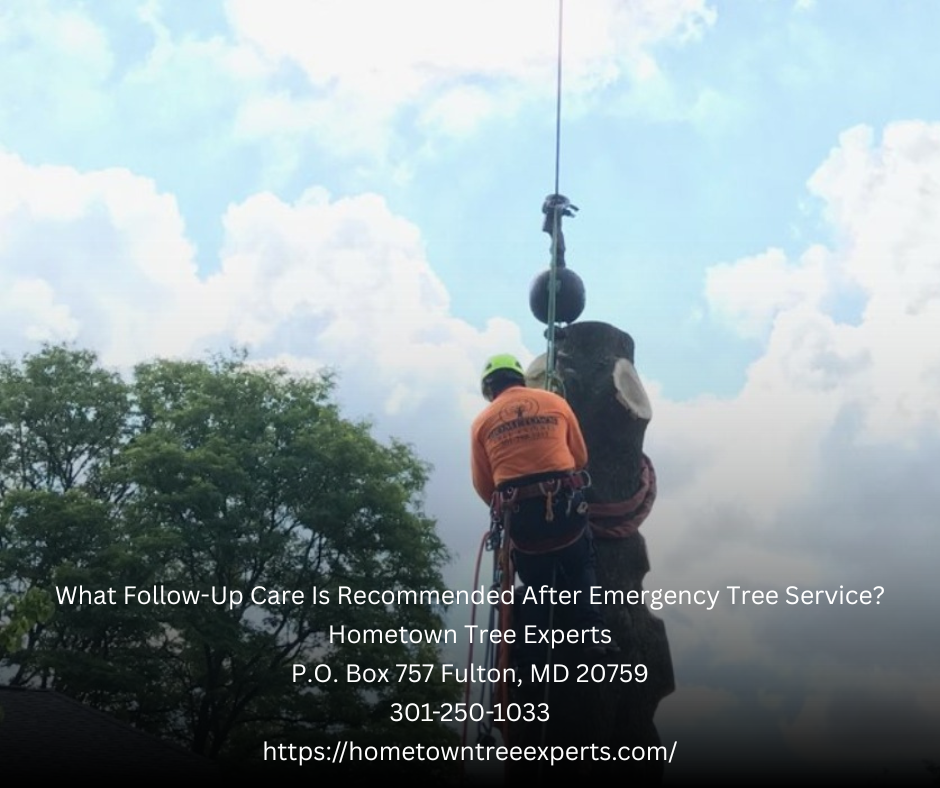
Managing trees near power lines demands meticulous attention to safety protocols and arboricultural expertise. Certified arborists must evaluate tree growth patterns, proximity to conductors, and potential electrical hazards. They employ insulated tools and wear protective gear to mitigate electrocution risks. Proper clearance between branches and power lines is critical, adhering to local regulations and utility company guidelines. Arborists utilize specialized techniques like directional tree trimming and pruning, ensuring tree health while preventing power disruptions. Additionally, they assess structural stability, identifying deadwood or weakened branches that pose threats during storms. Coordination with utility companies is essential for de-energizing lines if necessary. The integration of advanced equipment, such as aerial lifts and cranes, enhances safety and efficiency, ensuring safe management of trees in proximity to electrical infrastructure in Montgomery County and beyond.
Addressing Trees Blocking Access or Egress
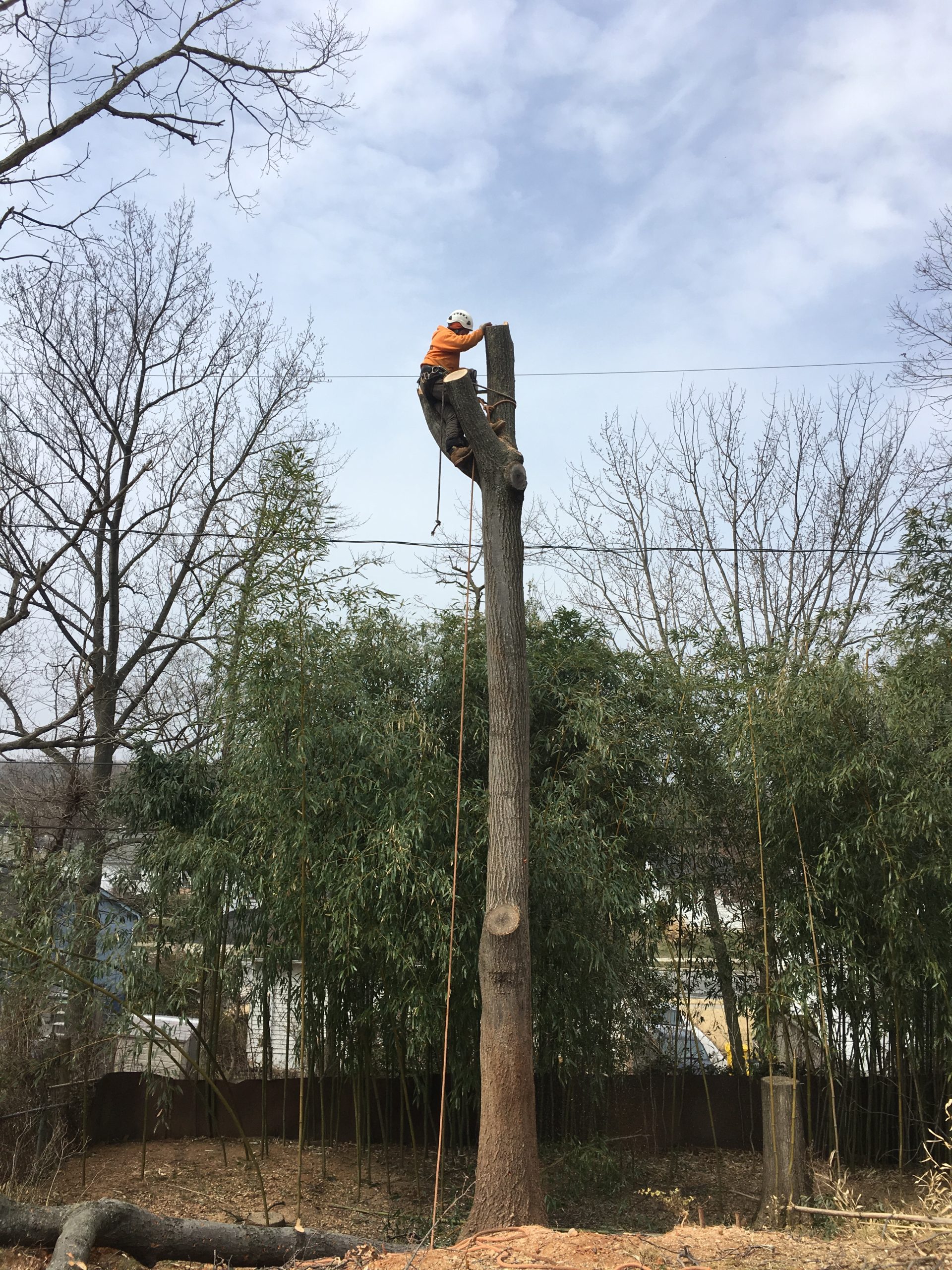
While trees provide aesthetic and environmental benefits, they can become significant obstacles when they obstruct access or egress routes. A fallen tree blocking a driveway or pathway can hinder emergency response efforts, delay evacuation, or restrict entry to critical facilities. Addressing such obstructions requires prompt intervention to restore functionality. Arborists employ specialized equipment like chainsaws and aerial lifts to safely remove fallen or leaning trees without damaging surrounding structures. They assess the tree’s stability, potential for further collapse, and the most efficient removal technique. Safety measures include using personal protective equipment and securing the area to prevent unauthorized access. Timely resolution minimizes disruptions and guarantees that pathways remain clear for emergency services, residents, and essential operations.
Prioritizing Immediate Safety Concerns
Although emergencies involving trees can vary in severity, prioritizing immediate safety concerns is essential to mitigating risks effectively. An unstable tree or large branches threatening to fall pose significant hazards. The primary focus should be on protecting human life and preventing property damage. Evaluating the structural integrity of the tree is vital, using methods such as visual inspections for cracks, splits, or leaning trunks. Identifying potential targets like power lines, buildings, or vehicles helps to prioritize necessary actions swiftly. Emergency tree service experts should employ rigging techniques to control falls, ensuring minimal impact. Immediate evacuation of at-risk areas is often necessary. Utilizing personal protective equipment (PPE) and adhering to industry safety standards are paramount in executing these operations safely. Whether you’re a homeowner or managing a commercial tree care site, addressing urgent situations with experienced arborists is key.
Frequently Asked Questions About Emergency Tree Services
What qualifies as an emergency tree service?
An emergency tree service is required when a tree poses an immediate threat to safety or property. This includes a fallen tree, storm-damaged limbs, trees leaning dangerously, or trees interfering with power lines or access points. If you notice these issues at your Maryland home or business, contact a tree service company immediately.
How fast can you respond to emergency tree removal in Maryland?
Most emergency tree removal services offer a 24-hour emergency tree response, especially in areas like Montgomery County, Howard County, and Frederick County. Professional crews aim to respond quickly to address urgent situations and ensure safety.
Do I need to get a permit for emergency tree removal?
In many Maryland counties, emergency removals of hazardous trees may not require permits. However, this varies by location. A reputable tree care company can guide you through county or municipal guidelines to ensure compliance.
What should I do if a tree falls on my house or driveway?
If a tree falls on your home or blocks a driveway, call an emergency tree service immediately. Avoid the area, especially during storms. Certified arborists will assess the situation and use crane or rigging equipment to safely and efficiently remove the obstruction.
Can emergency tree service help with pest infestations?
Yes, certified tree care professionals can assess and treat pest infestations. If a damaged tree becomes unsightly or structurally unsafe due to pests, it may require tree removal, stump grinding, or treatment depending on the extent of the damage.
How much does emergency tree service cost?
Costs vary depending on the tree that needs removal, its location, and the required equipment (such as cranes or ground crews). Many companies offer a free estimate to determine your needs accurately.
Are emergency services available for commercial properties?
Absolutely. Emergency tree services are available for both residential and commercial properties. If your business is in Montgomery, Howard, or Anne Arundel County, look for a provider that offers professional tree care for landscape preservation and safety compliance.
What should I expect during an emergency tree removal?
You can expect an ISA Certified Arborist or technician to inspect the damaged tree, determine the safest removal method, and clear debris. The process may involve tree trimming and pruning, full tree removal, or stump grinding, depending on your situation.